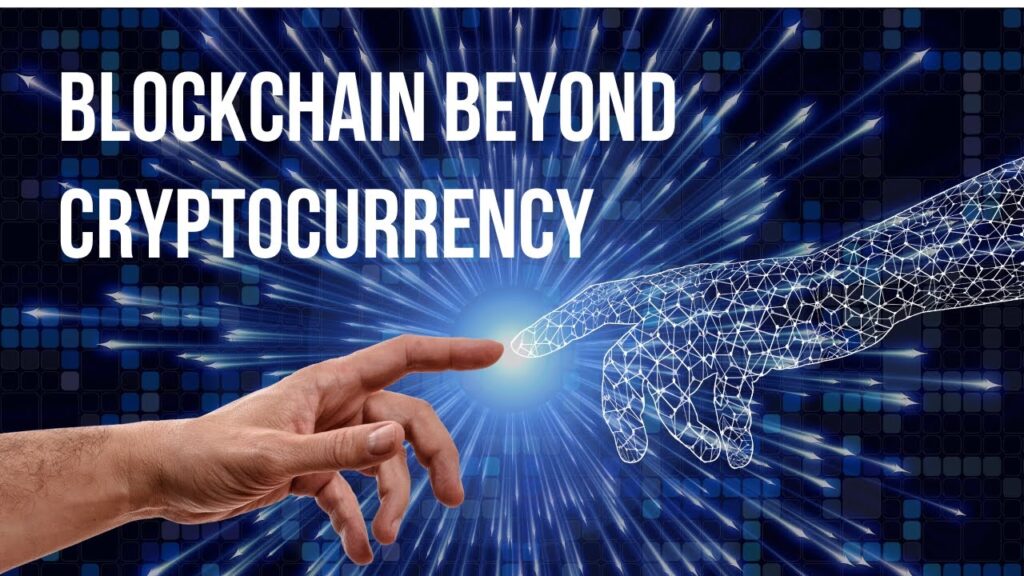
Blockchain technology has become synonymous with Bitcoin and digital currencies, yet its potential extends far beyond financial speculation. This distributed ledger system offers revolutionary solutions to transparency, security, and trust challenges across numerous industries. As organizations discover practical applications, blockchain transitions from speculative technology to infrastructure powering supply chains, healthcare records, voting systems, and intellectual property management. Understanding these diverse use cases reveals why major corporations and governments invest heavily in blockchain research and implementation.
Supply Chain Transparency and Authentication
Global supply chains involve countless intermediaries, creating opacity that enables fraud, counterfeiting, and inefficiency. Blockchain creates immutable records tracking products from origin through every transfer point to final consumer, establishing verifiable authenticity. Luxury goods manufacturers combat counterfeiting by registering authentic items on blockchain, allowing customers to verify legitimacy through simple scans. Food safety improves dramatically when contamination sources can be traced within seconds rather than weeks, potentially saving lives during outbreak investigations. Pharmaceutical companies use blockchain to prevent dangerous counterfeit medications from infiltrating legitimate distribution channels. Ethical sourcing verification becomes possible for conflict minerals and fair trade products, giving consumers confidence their purchases align with stated values. Smart contracts automate payments when shipment milestones are achieved, reducing disputes and accelerating transactions. The transparency blockchain provides transforms supply chain management from opacity plagued by trust issues into systems where verification replaces blind faith in supplier claims.
Healthcare Records and Data Security
Medical records currently exist in fragmented silos across different healthcare providers, creating dangerous gaps in patient care and wasting resources through duplicate testing. Blockchain enables secure, patient-controlled health records accessible to authorized providers regardless of where treatment occurs. Patients grant temporary access permissions to specialists or emergency responders, maintaining privacy while ensuring critical information availability when needed most. Clinical trial data stored on blockchain prevents tampering and enhances research integrity, addressing reproducibility concerns plaguing medical research. Insurance claim processing becomes faster and less prone to fraud when medical procedures are recorded immutably at the point of service. Prescription tracking combats the opioid epidemic by creating comprehensive medication histories preventing doctor shopping and identifying overprescribing patterns. Telemedicine expands as blockchain verifies provider credentials instantly across jurisdictions, removing barriers to remote consultation. The technology balances competing demands for privacy protection and information sharing, solving problems that have frustrated healthcare systems for decades.
Digital Identity and Credential Verification
Traditional identity systems rely on centralized authorities vulnerable to data breaches exposing millions of personal records. Blockchain-based digital identities give individuals control over their own information, sharing only necessary details for specific transactions. Educational credentials stored on blockchain eliminate fraudulent degree claims while simplifying verification for employers and graduate programs. Professional certifications and licenses become instantly verifiable, preventing unqualified individuals from practicing medicine, law, or other regulated professions. Refugees and displaced persons without traditional documentation can establish verified identities, accessing banking services and proving qualifications in new countries. Voting systems built on blockchain offer transparency while maintaining ballot secrecy, potentially increasing public trust in electoral processes. Property titles recorded immutably prevent ownership disputes common in regions with unreliable land registries. As digital transactions become ubiquitous, blockchain identity solutions offer alternatives to surveillance capitalism models where corporations monetize personal data without meaningful consent or compensation to individuals whose information generates profits.