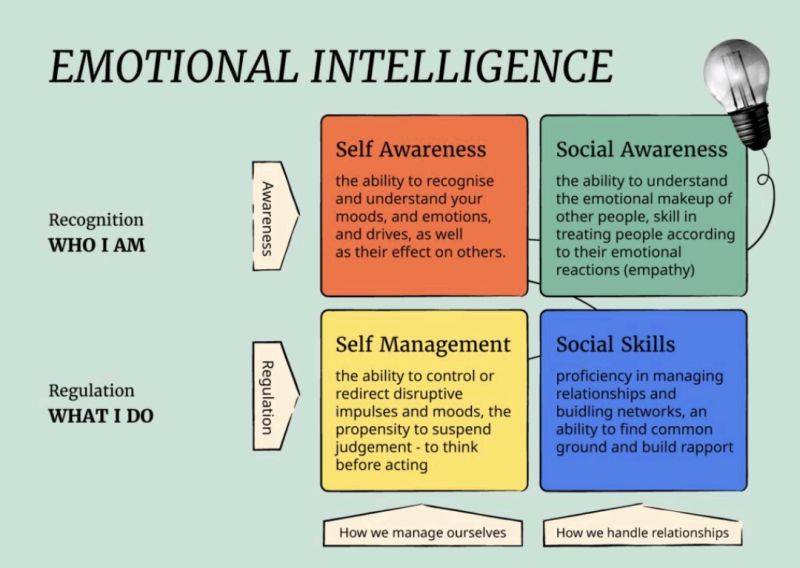
Academic achievement, while important, represents only one dimension of student development necessary for success in complex modern environments. Emotional intelligence encompasses self-awareness, self-regulation, social awareness, and relationship management skills that predict life outcomes as strongly or more strongly than cognitive intelligence measures. Schools increasingly recognize responsibility for cultivating these competencies alongside traditional academic content. Social-emotional learning programs teach students to identify and manage emotions, establish positive relationships, make responsible decisions, and navigate social situations effectively, building foundations for mental health and interpersonal effectiveness throughout life.
Self-Awareness and Emotional Regulation
Understanding one’s own emotional states, triggers, and patterns enables more effective responses than reactive behavior driven by unexamined feelings. Mindfulness practices help students observe thoughts and emotions without immediate judgment, creating space between stimulus and response. Emotional vocabulary development moves beyond simple categories like happy or sad to nuanced descriptions facilitating clearer communication about internal experiences. Journaling provides private space for exploring feelings and identifying patterns that might otherwise remain unconscious. Physiological awareness recognizes how emotions manifest in bodies through tension, heart rate, or breathing changes, offering early warning signs before escalation. Cognitive reframing techniques help students interpret situations in ways reducing unnecessary distress while maintaining realistic assessment. Coping strategies ranging from deep breathing to physical movement provide tools for managing difficult emotions constructively. Growth from mistakes requires processing associated emotions like embarrassment or frustration rather than avoiding reflection or displacing blame onto others.
Social Skills and Relationship Building
Effective collaboration requires reading social cues, taking others’ perspectives, communicating clearly, and resolving conflicts constructively. Active listening goes beyond waiting to speak, involving genuine attention to others’ words, tone, and body language. Empathy cultivation through literature, role-playing, and discussions helps students understand experiences different from their own. Conflict resolution skills transform disagreements from threats into opportunities for problem-solving and relationship strengthening. Assertiveness training enables students to advocate for needs respectfully without aggression or passivity. Appreciation and gratitude practices build positive relationships while countering negativity bias favoring critical over positive feedback. Inclusive behavior and bully prevention create school cultures where all students feel safe and valued. Digital citizenship addresses unique challenges of online interaction where nonverbal cues disappear and permanence of communication increases stakes. Collaborative projects require negotiating roles, respecting contributions, and achieving shared goals despite individual preferences.
Integration Across Academic Content
Emotional intelligence development need not compete with academic instruction but instead enhances learning when thoughtfully integrated. Literature discussions exploring character motivations and moral dilemmas build empathy and ethical reasoning alongside literary analysis skills. History instruction examining multiple perspectives on events develops understanding that competing narratives can simultaneously hold validity. Science classes addressing controversial topics like climate change or genetic engineering require emotional regulation to engage productively despite strong feelings. Mathematics problem-solving benefits from persistence and frustration tolerance when solutions don’t come easily. Arts education provides safe spaces for emotional expression and exploration of human experience across cultures and time periods. Physical education teaches emotional regulation through competitive stress and collaboration through team sports. Class meetings provide forums for discussing social dynamics, problem-solving issues, and building community. Teacher modeling of emotional intelligence, from acknowledging mistakes to managing classroom conflicts, teaches more powerfully than explicit lessons. Assessment broadening beyond test scores to include effort, growth, collaboration, and character recognizes multiple forms of achievement. Schools prioritizing emotional intelligence alongside academics produce graduates better prepared for meaningful relationships, career success, and engaged citizenship in democratic societies requiring both competence and character.