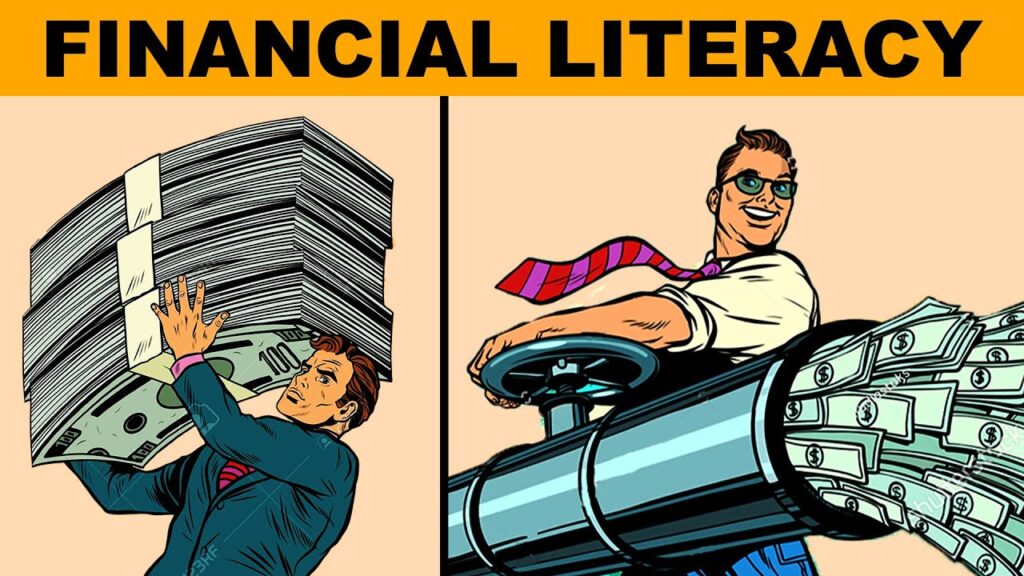
Financial literacy remains critically underdeveloped despite money management profoundly affecting quality of life, stress levels, and opportunity access. Many people navigate complex financial decisions without understanding fundamental concepts like compound interest, tax implications, or risk diversification. This knowledge gap contributes to excessive debt, insufficient retirement savings, and vulnerability to predatory financial products. Developing financial competence empowers informed decision-making, transforming money from a source of anxiety into a tool for achieving life goals and building security across generations.
Budgeting and Cash Flow Management
Effective budgeting begins with comprehensive tracking of actual spending patterns rather than idealized estimates disconnected from reality. Apps and software automate transaction categorization, revealing where money actually goes versus where you believe it goes. The fifty-thirty-twenty rule provides a simple framework: fifty percent of after-tax income for needs, thirty percent for wants, and twenty percent for savings and debt repayment. Zero-based budgeting assigns every dollar a specific purpose, eliminating the vague discretionary spending that often disappears without memorable purchases. Irregular expenses like annual insurance premiums or holiday gifts require monthly allocation to avoid budget-breaking surprises. Emergency funds covering three to six months of essential expenses provide stability during job loss, medical crises, or major repairs. Automated transfers to savings accounts implement pay-yourself-first principles, removing willpower from the equation. Mindful spending involves questioning purchases against values and goals rather than automatic consumption. Regular budget reviews identify drift from plans and allow adjustments reflecting changing priorities or circumstances.
Debt Management and Credit Building
Not all debt carries equal weight, with high-interest credit cards representing expensive obligations while low-interest mortgages may enable wealth building through real estate appreciation. Debt avalanche strategies prioritize highest interest rate obligations, minimizing total interest paid over time. Debt snowball approaches target smallest balances first, creating psychological wins maintaining motivation through visible progress. Credit scores influence interest rates, insurance premiums, and even employment opportunities, making credit report monitoring and error correction important. Payment history constitutes the largest credit score factor, making on-time payments non-negotiable regardless of balance amounts. Credit utilization below thirty percent of available limits demonstrates responsible management to potential lenders. Length of credit history rewards long-term accounts, making old card closure potentially counterproductive despite decluttering appeal. Strategic credit card use earns rewards while building credit, though requires discipline to avoid carrying balances negating any benefit through interest charges. Balance transfers consolidate high-interest debt at promotional rates, though require payoff plans before rates revert to standard levels.
Investment Strategies and Retirement Planning
Investment returns compound over time, making early starts dramatically more valuable than larger contributions later in life due to exponential growth. Tax-advantaged retirement accounts like IRAs and employer-sponsored plans provide immediate tax benefits or tax-free growth, significantly enhancing returns compared to taxable accounts. Employer matching contributions represent free money that maximizing becomes the highest-return investment available. Diversification across asset classes, industries, and geographies reduces portfolio risk without necessarily sacrificing returns. Low-cost index funds often outperform actively managed funds after fees, despite less exciting narratives than stock-picking strategies. Asset allocation balancing stocks, bonds, and other investments should reflect time horizon and risk tolerance rather than following one-size-fits-all recommendations. Rebalancing periodically sells appreciated assets and buys underperforming ones, enforcing buy-low-sell-high discipline that emotions often sabotage. Dollar-cost averaging invests consistent amounts regardless of market conditions, avoiding futile attempts to time market peaks and valleys. Long-term perspective prevents panic selling during market downturns when staying invested historically proves most profitable. Professional financial advisors provide value for complex situations, though fee structures warrant scrutiny to ensure alignment between advisor and client interests.